Throttling Valves: Understanding Their Functions, Selection, and Disruptions in Flow Control
Throttling valves are a critical component in various industrial applications. They are designed to control flow rate, pressure, or both, in a pipeline. Our primary focus in this informative piece will be about throttling valves, where we aim to give you in-depth insight into their purpose, how to select the right one, and the common issues that may arise in flow control.
Defining Throttling Valves: The Basics
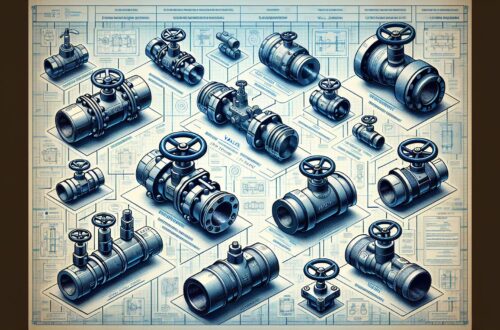
Throttling valves are used when there is a need to reduce the flow rate in a system. They work by varying the size of the flow passage, therefore, controlling the amount of fluid passing through the valve at a given time. Common types of throttling valves include globe valves, needle valves, butterfly valves, and ball valves, among others[^1^].
How Throttling Valves Function
Throttling valves work on a very simple principle: by changing the size of the flow path, one can control the flow rate. As the valve closure member is moved closer to its seat, the flow path becomes narrower, resulting in a decreased flow rate. Conversely, as the valve closure member is drawn away from its seat, the flow path widens, increasing the flow rate[^1^].
Factors to Consider in Throttling Valve Selection
When it comes to selecting a throttling valve, there are a few factors that one must consider.
Flow Characteristics
Each throttling valve has its unique flow characteristic or the relationship between the flow rate and the valve stroke. There are three common types of flow characteristics: equal percentage, linear, and quick opening[^2^]. Understanding the application requirements will guide the appropriate choice of valve characteristic.
Valve Size
A valve that is too big can cause control problems, while a valve that is too small may not allow enough flow. A proper understanding of your flow capacities will guide you in choosing the right valve size.
Pressure Drops
Pressure drop is another vital factor that must be considered when selecting a throttling valve. The higher the pressure drop across the valve, the better the control capabilities it has.
Disruptions in Flow Control
While throttling valves offer great control over the flow rate, they can also be sources of flow disruptions, including cavitation and flashing, noise, and leaking.
Cavitation and Flashing
Cavitation occurs when the pressure within the valve drops below the vapor pressure of the fluid and then rapidly increases, causing vapor bubbles to collapse and damaging the valve. Flashing occurs when the fluid maintains its vapor form after passing through the valve. Both scenarios can cause serious problems within the valve, leading to poor performance and damage.
Noise
Noise in throttling valves is usually a result of turbulent fluid passing through the valve. This can create significant vibrations and noise.
Leakage
Leakage can occur in the throttling valve if the valve seat and closure member don’t properly mate. Leakage can contribute to material loss and inefficiencies in the system.
In Conclusion
Throttling valves play a crucial role in flow control. Understanding how they work and the factors that affect their selection can go a long way in ensuring optimal use of these vital control elements in the industry. Proper maintenance to avoid problems such as cavitation, noise, and leakage is the key for the long and efficient operation of these valves.
While this guide provides an overview, always ensure to consult professionals or manufacturers when selecting a valve to meet specific requirements of your operation.
[^1^]: Valve manufacturers association of America (VMA). (n.d.). Valve Basics. Retrieved March 6, 2020, from https://www.vma.org/page/ValveBasics.
[^2^]: Macey, R. (2014). Control Valves: The Most Frequently Misapplied Piece of Equipment. Mark K. Johnson International, LLC. Retrieved from http://mkjintl.com/wp-content/uploads/2020/05/Control-Valve-Application.pdf.