The Comprehensive Guide to Valve Selection
In many industry sectors, including the oil and gas industry, valve selection plays a vital role in improving process efficiency and extending plant operational life. Choosing the right valve can significantly reduce downtime and maintenance requirements. However, valve selection is not an easy task. It involves various factors, such as valve type, material, size, and compatibility with the process flow. This comprehensive guide aims to provide substantial insights on valve selection – a crucial aspect that tends to be understated in many industrial processes.
1. Understanding Valve Types
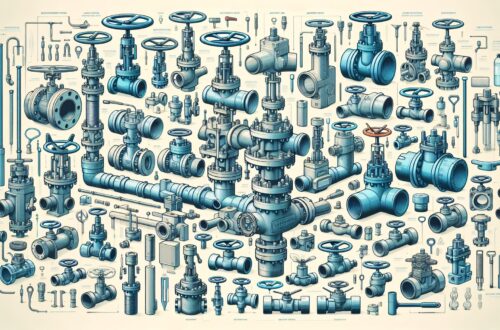
The first step in valve selection involves understanding the main types of valves. Each type serves a specific purpose and can significantly impact process efficiency.
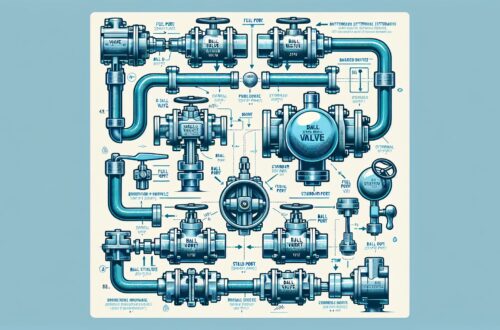
Ball Valves – These have a ball-shaped disc with a hole through the middle. When the hole aligns with both ends of the valve, it creates a passage for flow to occur[^1^].
Gate Valves – These are characterized by a gate-like disc that can be lifted or lowered within the valve. The gate is transparent when raised, allowing fluid to pass[^2^].
Globe Valves – Globe valves consist of a movable disc and a stationary ring seat. The valve is open when the disc is lifted off the seat[^3^].
Understanding the technicalities of these and several other types of valves (butterfly, diaphragm, knife gate, check, pinch, plug) is crucial in valve selection.
2. Valve Materials
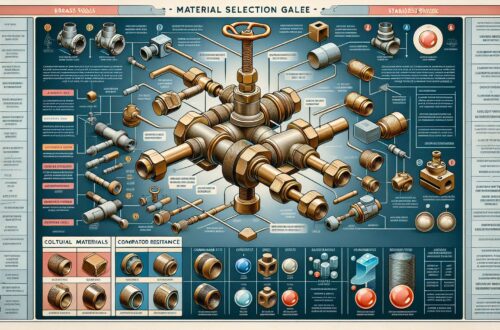
The material of the valve should be selected based on the nature of the fluid, the temperature of the application, and the pressure it needs to bear. Corrosion resistance and chemical compatibility are also significant factors for consideration. For instance, stainless steel and brass valves are commonly used for their corrosion resistance, whereas plastic valves are chemically compatible with aggressive fluids.
3. Valve Sizing
Correct valve sizing ensures efficient operation and increases the lifespan of the valve. The size of the valve should match the pipe size to which it will be connected and should be able to handle the desired flow rate. Valve Cv values, pressure drop, and flow characteristics are also important characteristics to consider in valve sizing[^4^].
4. Valve Compatibility
Valve compatibility is another critical factor in valve selection. The valve must be compatible with the fluid it will handle and operate under the temperature and pressure within the system.
5. Additional Factors for Consideration
Apart from these aspects, valve automation, control system, installation ease, maintenance requirement, life expectancy, noise level, and safety standards are factors that should be duly considered in the selection process.
Conclusion
In conclusion, valve selection is a complex task that demands careful consideration of various factors. Understanding the intricacies of different types of valves, their material, their size, and their compatibility can significantly enhance the efficiency and lifespan of the industrial processes.
References
[^1^]:Valve Magazine, “The Basics of Ball Valves”, 2015, Website
[^2^]: Valve Manufacturers Association of America, “Introduction to Gate Valves”, Website
[^3^]: The Engineering Mindset, “The Basics of Globe Valves”, 2019, Website
[^4^]: Institute of Measurement and Control, “Valve Sizing”, Website