A Comprehensive Guide on Gate Valves: Types, Applications, and Necessary Maintenance
Having control over the flow of substances in a complex system like the residential piping network, industrial systems, and commercial settings is crucial. The device you need for this job is a valve. There are different types of valves, each with specific applications. One of these is the gate valve, an essential fixture in plumbing and industrial applications. This article provides a comprehensive guide on gate valves, detailing their types, applications, and necessary maintenance measures you need to undertake.
What is a Gate Valve?
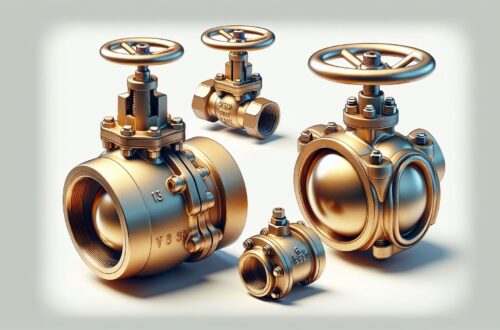
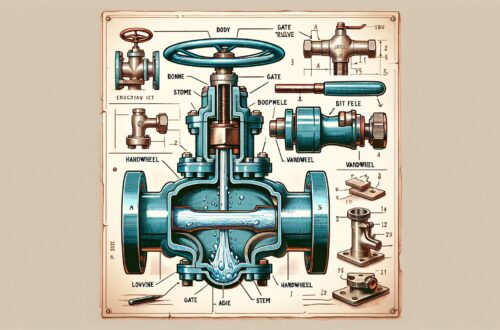
A gate valve, known as a sluice valve, is a valve that opens by lifting a barrier (gate) out of the path of the fluid. These valves require very little space along the pipe axis and hardly restrict the flow of fluid when the gate is fully opened. The control mechanism for gate valves is typically a turning wheel that controls the vertical movement of the gate.
Gate Valve Types
There are several types of gate valves, classified based on design, type of gate, material, and mode of operation. Some common types include:
-
Parallel vs Wedge Gate Valves: Parallel gate valves have two parallel gates that can be operated independently. In contrast, wedge gate valves use a single gate in a wedge shape.
-
Rising vs Non-Rising Stem Gate Valves: These types are distinguished by the behavior of their ‘stem,’ the long, usually round, the part of the valve through which the gate-moving screw bolt is mounted.
-
Solid, Flexible, and Split Wedge Gate Valves: These classifications are determined by the design of the gate – whether it is a solid piece, flexible, or split into two half-wedges.
-
Manual, Electric, and Pneumatic Gate Valves: These are distinguished by their mode of operation. Manual gates are operated by hand, electric by an electric motor, and pneumatic by air pressure.
Applications of Gate Valves
Gate valves are typically used in applications where the flow of fluid needs to be stopped or started fully. They are less suitable for throttling (partially restricting flow). Some common applications include:
-
Water and Wastewater Treatment: Gate valves control the flow of water and wastewater in various treatment processes.
-
Oil and Gas Industry: They are used in the oil and gas industry to control the flow of crude oil, natural gas, or other petroleum products.
-
Pharmaceuticals: In pharmaceutical manufacturing processes, gate valves control the flow of liquids, gases, and granular solids.
-
Food and Beverage Processing: They are used in food and beverage processing industries to control the flow of food products, cleaning solutions, and steam.
Gate Valve Maintenance
To ensure the longevity and functionality of a gate valve, regular maintenance is imperative. This involves scheduled inspections, cleaning, and potential parts replacement. Here are several key maintenance steps:
-
Routinely inspect the valve: Look for any visible signs of wear and tear or damage to the valve.
-
Operational tests: Regularly operate the valve to ensure it opens and closes correctly.
-
Clean the valve: Remove dirt, dust, and grime that could affect the operation of the valve. Use appropriate cleaning materials based on the valve material.
-
Replace worn out parts: If some parts of the valve are worn out or damaged, replace them as soon as possible to avoid major malfunctions or system failure.
Conclusion
Gate valves are an essential component of many systems, from wastewater treatment plants to oil and gas operations. Their wide array of applications and the critical function they serve make understanding their types, uses, and maintenance strategies imperative for both professionals in the field and those interested in the topic. Regardless of where you fall, it’s our hope that this comprehensive guide on gate valves has been valuable and enlightening.
Sources: