A Comprehensive Guide to Ball Valves: Understanding their Importance, Functionality, and More
Ball valves represent a significant piece of industrial machinery equipment. They play influential roles in how substances flow and don’t flow in numerous settings. So what are ball valves, and what makes them pivotal in industry operations? In this comprehensive guide, we will discuss precisely what ball valves are, what they do, their different types, and the importance of their maintenance and repair.
What Are Ball Valves?
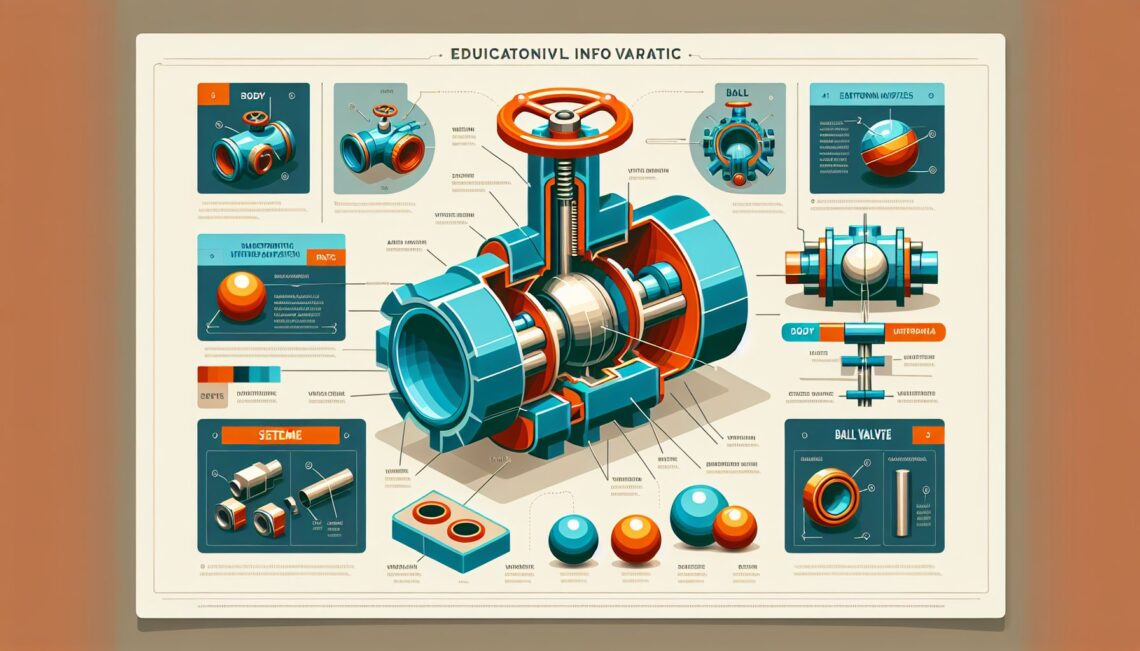
Ball valves, often known as quarter-turn valves or rotary valves, are essential devices that control the fluid flow. It has a ball inside that has a port, which aligns with the pipe when turned, allowing flow, and blocking it when the valve is in the closed position.
Reliable, durable, and versatile, ball valves shine in applications where tight shut-off is needed, such as shut-off and control applications. They can support a wide pressure and temperature range, making them an attractive option for various industries, including oil and natural gas, chemical and petrochemical, water and wastewater treatment, power production, and more^[1^].
The Workings of Ball Valives
The operation of a ball valve is straight-forward. Turning the handle attached to the ball rotates the ball. When the ball’s port aligns with the pipeline, flow occurs. Conversely, when the valve is shut, the hole is perpendicular to the openings of the valve, obstructing flow.
Through the valve’s reliable sealing capabilities, users can attain accurate shutoff even after years of disuse. Also, the quick quarter-turn open-close mechanism makes it easy to operate, providing rapid and sure shutoff.
Types of Ball Valves
Ball valves come in different kinds with their unique characteristics and uses. The three main types include:
Full Port Ball Valves
They have a ball with a bore size equal to the pipe’s internal diameter, offering a minimal flow resistance.
Reduced Port Ball Valves
Their bore size is smaller than the pipe’s internal diameter, creating a flow restriction.
V-Port Ball Valves
They have a ‘V’ shaped ball or seat, allowing controlled throttling of flow.
Importance of Maintaining and Repairing Ball Valves
Maintaining and repairing your ball valves is of utmost importance for the longevity of the valves and optimal functioning. Preventive maintenance and repair address possible leakages, excess friction between parts, or blockage preventing the ball from turning smoothly^[2^].
Regular health checks and minor adjustments like tightening the packing gland or stem can save a significant amount of time and money in the long run. When done right, maintenance avoids minor issues from snowballing into bigger problems that could result in costly downtime or even hazardous situations.
But how often should you perform maintenance? That depends on the frequency of valve usage, the media passing through the valve, and the conditions under which the valve operates. A best practice is to develop a preventive maintenance plan that suits your particular needs.
Conclusion
In summary, ball valves hold significant roles across multiple industries due to their reliability, versatility, and excellent sealing capabilities combined with simple operation. Though they might appear insignificant in size compared to other factory or plant components, their function isn’t to be understated.
Ensuring they remain efficient calls for thoughtful attention to maintenance and repair. Regular check-ups, preventive measures, and timely repairs not only preserve the valve but could potentially save a company from costly downtimes and possible emergencies. As always, the key lies in being proactive about maintaining the health and operation of your ball valves.
References