A Comprehensive Guide to Butterfly Valves
In the complex world of valves and their respective functional applications across a variety of industries, butterfly valves hold a pivotally important role.
This article aims to serve as an expansive resource, delving into the world of butterfly valves. We explore its design, types, functionalities, applications, and even touch upon maintenance and repairs, thereby providing a comprehensive, all-inclusive guide to these versatile and vital components of flow control systems.
Introduction to Butterfly Valves
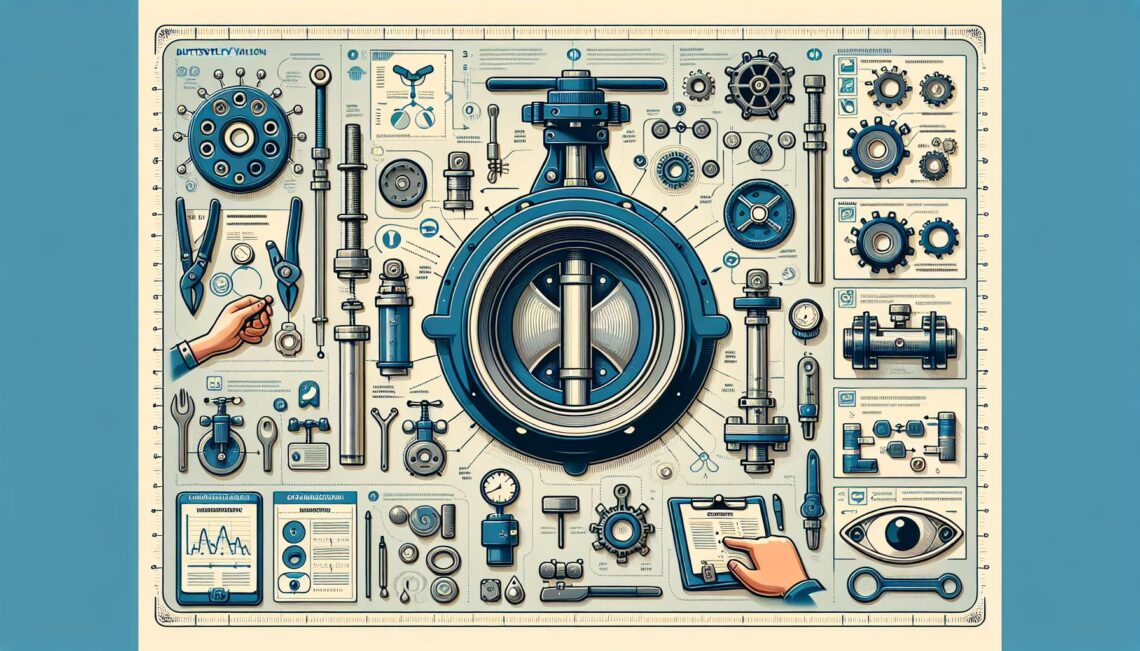
Butterfly valves, as their name suggests, involve a disc that is mounted on a rotating shaft. When the valve is fully closed, the disc blocks the line. And when it’s fully open, the disc is rotated a quarter turn so that it allows an almost unrestricted passage of fluid. The valve may also be opened incrementally to throttle flow.
This simple, yet efficient, functionality makes butterfly valves particularly useful in large-volume water pipelines, for example in wastewater treatment, chemical industries, or even fire protection. They are also often used in food processing and other applications that require isolating or regulating the flow of liquid.
There are three primary types of butterfly valves: concentric, double-eccentric, and triple-eccentric. Each of these varieties offers unique advantages and can be used in different applications that we’ll delve into in the subsequent portions of this guide [^1^].
Butterfly Valves Design and Materials
The most significant part of a butterfly valve’s design is the centrally positioned disc. The disc’s rotation is regulated by the operator on the outside of the valve. Depending on the extent of the disc’s turn, the flow can either be fully stopped or allowed entirely. Materials for the body and the disc of butterfly valves are often metal or plastic, with the seal made of elastomer materials like EPDM, NBR, or Viton [^2^].
Butterfly Valves: Applications and Use
Butterfly valves find use in an array of applications across different sectors. Concentric butterfly valves with their simple design are popularly used in water distribution, cooling water, air, gases, fire protection, etc.
Double eccentric butterfly valves, on the other hand, thanks to their off-center located disc that reduces friction are ideal for systems demanding longer service lives like heat transfer oil systems, vacuum service, high-temperature water, and thermal oil, to name a few.
Triple eccentric butterfly valves or tri-offset valves, having their metal seating are used where rubbing between the disc and seat is not desirable, i.e., in more challenging applications with higher temperatures or high-pressure services like steam, catalytic cracking, and cryogenic use.
Maintenance and Repairs
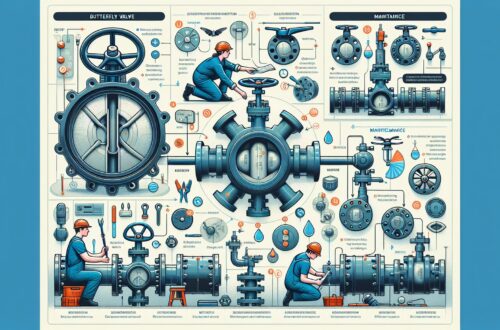
Recommended maintenance intervals vary depending on the butterfly valve’s application. Regular inspection for leaks and proper operation is often carried out. Where applicable, the seat and the disc seal surfaces need to be checked for any damage, and the disc stop mechanism should be evaluated for potential adjustments. Eventually, if a valve fails, repair or replacement options could be explored based on the extent of damage or failure.
Ball valves and gate valves often function as potential alternatives if a butterfly valve cannot be repaired [^3^].
Final Thoughts
Whether it’s your everyday applications or even those high-pressure situations, butterfly valves with their design advantages and versatile functionality undoubtedly make an attractive choice across a variety of environments. The key to effective use and longevity, however, lies in understanding the specific application and following the respective standards for maintenance and inspection.
[^1^]: Briggs, Paul. “Different Types of Butterfly Valves.” Valve World, 22 July 2020. Web
[^2^]: Henderson, Craig. “A Guide to Understanding Butterfly Valves.” Empowering Pumps and Equipment, 1 Aug. 2018. Web
[^3^]: “A Comprehensive Overview: The Butterfly Valve.” Valve News. Web