A Comprehensive Guide to Solenoid Valves: Understanding Sizing, Selection, and Maintenance
Introduction
Have you ever wondered how fluids are controlled in an automated system? The answer is pretty simple: Solenoid Valves! They are electromechanical devices which control the flow of liquid or gas in a system. With their ubiquitous applications ranging from home appliances to industrial machinery and even in nuclear reactors, understanding how these versatile devices operate is fascinating and necessary for any technology enthusiast or industry professional. This article takes a deep dive into understanding Solenoid Valves, how they are sized, selected and maintained.
Solenoid Valves Explained
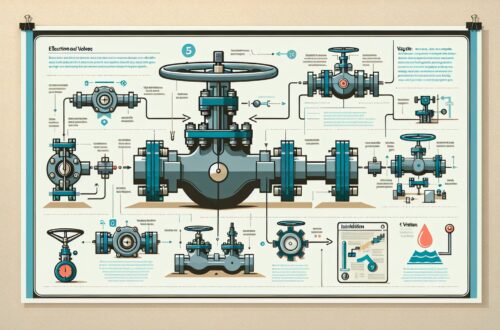
A solenoid valve is an electromechanically operated valve that controls the passage of fluid or air. It works by allowing or restricting flow based on the electrical current passing through a solenoid — a coil of wire that becomes magnetized when current flows through it. Solenoid valves are used in a variety of applications, such as home washing machines, dishwashers, car washing equipment, irrigation systems, and in the industrial sector for the regulation of process fluids.
Solenoid Valve Sizing
The effectiveness of a solenoid valve largely depends on its sizing. The valve size should match the pipe size for optimal performance. Factors to consider while sizing include the type of fluid, flow rate, pressure, temperature, and the specific gravity of the fluid. Larger solenoid valves accommodate a greater flow rate but require more power to operate. On the other hand, smaller solenoid valves are more energy-efficient but can handle a lower flow rate.
For a more exhaustive understanding of valve sizing, this paper is a great resource.
Solenoid Valve Selection
The selection of a suitable solenoid valve depends upon the nature of the application. For example, a general-purpose solenoid valve would suffice for most compressed air or water applications; however, a zero differential valve or a low-pressure solenoid valve would be suitable for low-pressure systems.
Several factors to consider while selecting a solenoid valve include:
- Type of Fluid: The fluid’s chemical properties, viscosity, and temperature determine the valve material and type.
- Operating Environment: Solenoid valves should withstand the environmental conditions like humidity, temperature, pressure, etc.
- Safety Considerations: Solenoid valves used in hazardous environments should be explosion-proof and conform to safety regulations.
For more detailed information, Valve Magazine’s article on selecting solenoid valves is recommended.
Solenoid Valve Maintenance
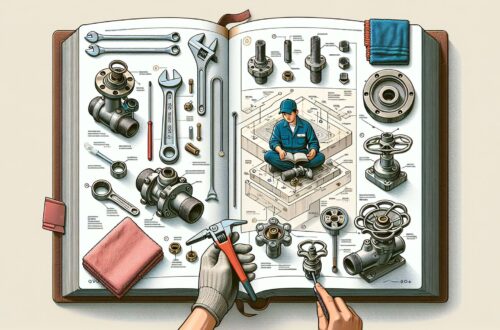
Routine maintenance of solenoid valves is crucial for their proper functioning and extend their operational life. The following steps can guide you to maintain these valves effectively:
- Regular Cleaning: Over time, debris and residue can build up inside the valve leading to clogging. Regular cleaning helps to keep the valves functional and prolong their life.
- Seal Checking: Regular inspection of valve seals for signs of wear or failure is important. Replace faulty seals promptly to avoid system malfunctions or leaks.
- Coil Inspection: Inspect the solenoid coil for any damages or signs of overheating. In case of any abnormalities, replace the coil immediately.
- Functional Test: Carry out regular functional tests to ensure the solenoid valve is working properly. In case of irregularities, it’s essential to resolve the issue immediately to prevent further damages.
Wrapping Up
Understanding solenoid valves, their types, functions, sizes, and maintenance routine is crucial to ensure they serve their purpose effectively. As significant components of various systems, these valves require careful selection and routine maintenance to function optimally, thereby improving the entire system’s efficiency.
We hope this guide has provided you with comprehensive insights into solenoid valves. Stay tuned for more informative guides on other valve types and their applications!
References