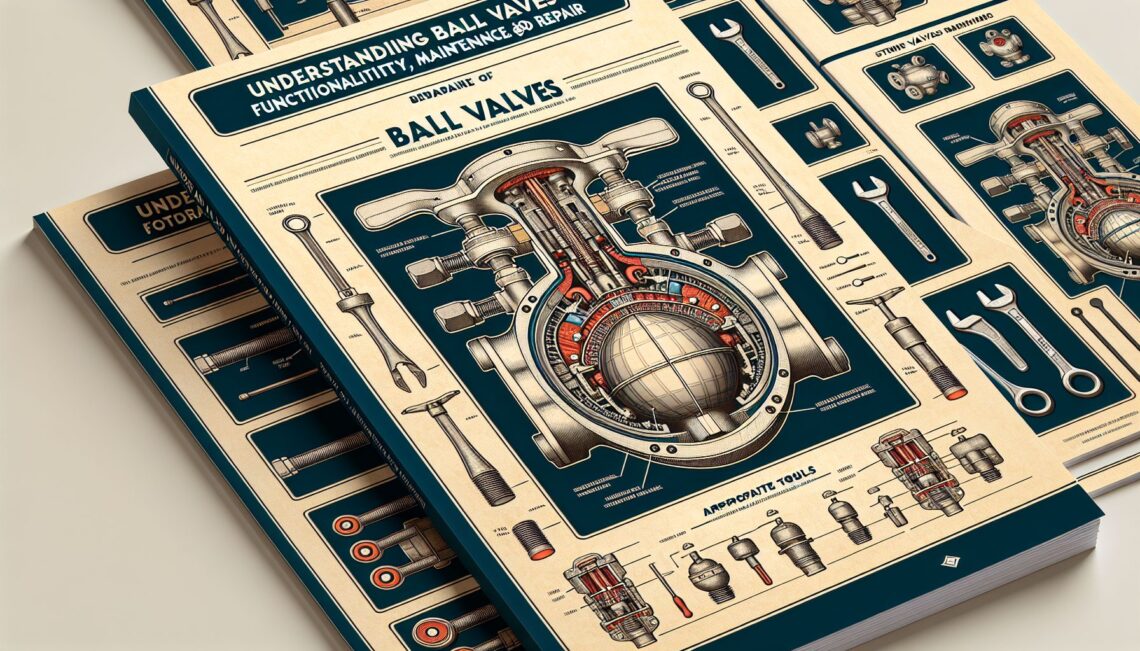
Understanding Ball Valves: Functionality, Maintenance, and Repair
Valves are crucial components in a multitude of industrial processes and applications, managing the flow of liquids, gases, and slurries through pressure control. Their paramount importance has resulted in a vast variety of designs, each with specific characteristics and uses. Among these, ball valves stand out for their versatility, durability, and efficiency, making them a popular choice in several industries. This article delves into the world of ball valves, discussing their functionality, maintenance, and repair requirements.
What is a Ball Valve?
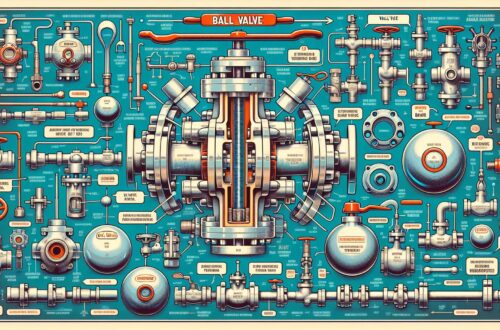
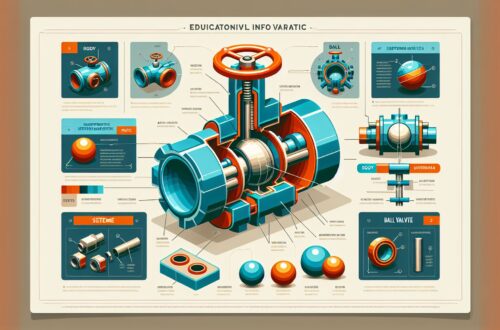
A ball valve is a shut-off valve that controls the flow of a liquid or gas by means of a rotary ball having a port. When the valve is open, the bored passage (i.e., the ball’s port) aligns with the pipeline, allowing fluid flow. Conversely, when the valve is closed, the hole is perpendicular to the openings, preventing passage[^1^].
The Versatility of Ball Valves
However, the ease of operation is not the only advantage ball valves possess. They also provide fast shut-off, making them an ideal choice in emergency situations. Their design ensures minimal pressure drop across the valve, in comparison to gate or globe valves, resulting in energy-efficient operation.
Moreover, they are versatile, efficiently handling liquids, gases, and slurries with suspended solids. Being bidirectional, they enable the flow from either side, adding to their convenience. Multiple designs, like the floating and trunnion-mounted ball valves, offer improved performance in high-pressure and large-diameter applications[^2^].
Ball Valve Maintenance: A Necessary Practice
Although ball valves are admired for their durability and long service life, they are not maintenance-free. Regular inspections and routine maintenance can not only increase their lifespan but also ensure optimal performance.
Routine maintenance usually includes periodic cleaning and lubrication. Over time, the valve can accumulate debris, which might hinder its functionality. Regular cleaning eliminates these impurities, enhancing smooth operation.
Besides, ball valves contain several moving components, like the valve stem that demands lubrication to minimize friction. However, it is crucial to select the appropriate lubricant, considering the valve material and the media it controls.
Ball Valve Repair: When Things Go South
Despite regular maintenance, ball valves might encounter issues due to normal wear and tear or inappropriate use – for instance, using a standard ball valve in throttling applications, which it isn’t designed for.
Repairing a ball valve typically involves replacing the faulty parts. The valve seats, seals, or even the ball might require replacement in case of leaks or failure to operate. However, these operations should strictly adhere to the manufacturer’s instructions, given the critical role of ball valves.
Moreover, one must take into account the cost-benefit analysis of repair or replacement. In cases where the repair proves costly, replacement with a new, more efficient ball valve might be a wise decision.
Conclusion
Ball valves play a pivotal role in countless industries, facilitating the handling of various fluids. Their efficiency, coupled with their lengthy lifespan, underscores their preference in different applications. However, the instrument’s longevity relies heavily on regular maintenance and prompt repair when necessary. By understanding the fundamentals of ball valve operation and maintenance, industries can significantly better their operations, enhancing productivity and safety.
[^1^]: Tameson, Explanation Of Ball Valves
[^2^]: Habonim, The Proper Application of Ball Valves
[^3^]: Empowering Pumps and Equipment, Maintaining Ball Valves Properly