An In-depth Look at Ball Valves: Understanding Their Types, Applications, and Maintenance
In any industrial setting, control systems are highly imperative because they regulate different quantities, ensuring the entire process runs smoothly. One critical part of these control systems in industries includes the use of valves, particularly ball valves. Ball valves play a vital role in controlling the flow of fluids in various applications, from domestic use, such as in plumbing systems, to more complicated industrial structures.
This article aims to provide a comprehensive evaluation of ball valves, delving into their types, importance in industrial applications, and the crucial steps involved in their maintenance.
What Are Ball Valves?
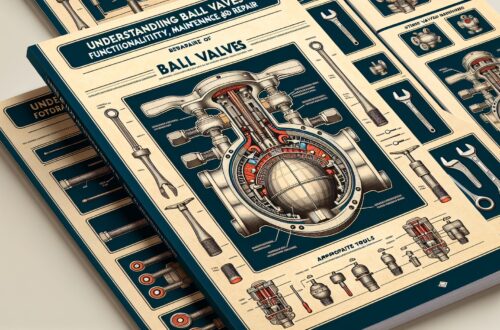
Ball valves can be defined as a form of quarter-turn valve which utilizes a hollow, perforated, and pivoting ball to control the flow through it[[^1^]]. This ball is positioned in the passageway, where the handle or actuator is then operated to rotate the ball either to the opened or closed position. When in the open position, the hole within the ball is in line with the flow direction, thereby allowing the fluid to flow through. Conversely, when the valve is in the closed position, the hole is perpendicular to the flow direction, thus blockading the pathway[[^2^]].
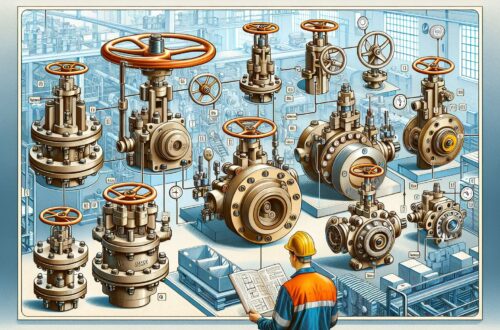
Different types of ball valves are available on the market, designed to suit various applications. These include Full Port Ball Valves, Reduced Port Ball Valves, V Port Ball Valves, Trunnion Ball Valves, and Top Entry Ball Valves among others[[^3^]].
Industrial Applications of Ball Valves
Owing to their durability, and effectiveness in controlling high pressure, temperature, and flow, ball valves find their applications across different industries. They are heavily utilized in gas processing plants, petroleum refineries, and in industries involving corrosive and cryogenic services.[[^3^]] Additionally, ball valves can also be located in residential and commercial buildings, which use them in their plumbing and water supply systems to control the flow of water.
Maintenance of Ball Valves: Ensuring Optimal Performance
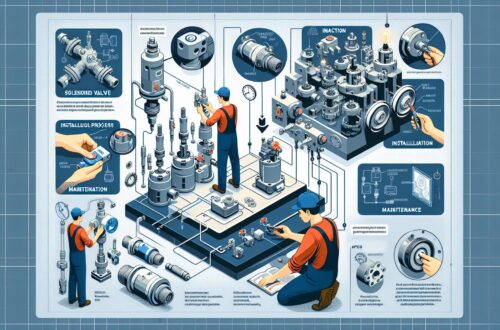
While ball valves are designed for durability and longevity, their maintenance remains a key part in ensuring their optimal performance and keeping premature failures at bay. Understanding the steps involved in their maintenance can go a long way in improving their efficiency. Some of the steps are:
Regular Inspections
Carrying out regular inspections on your ball valves is an excellent preventive measure. It helps identify issues that could potentially escalate into bigger problems.
Lubrication
Ball valves, like any other mechanical devices, require proper lubrication to deliver optimal performance. Regular lubrication reduces the friction between the ball and the other components of the valve.
Cleanliness
The internals of a ball valve can become blocked by the fluid that they regulate. Therefore, periodically cleaning the internals of your ball valve ensures that they remain in the best possible working condition.
Valve Repairs and Replacement
Despite the best care and maintenance efforts, there may be times when ball valves fail to function correctly due to various reasons, such as normal wear and tear or unforeseen damage. At such times, a well-executed repair process comes in handy. However, if the damage is too substantial for repair, replacement becomes the best course of action.
Conclusion
Ball valves, owing to their ability to control high pressure, temperature and flow, form an integral part of many industrial processes. With the right maintenance and care, businesses can significantly prolong their lifespan and ensure efficient operation. Understanding their types, applications, and maintenance procedures empowers professionals to operate them effectively and make more informed decisions regarding their management.
[^1^]: Engineering Toolbox. (n.d.). Ball Valves [Online]. Available at: https://www.engineeringtoolbox.com/ball-valves-d_1012.html
[^2^]: Direct Material. (2020, Aug 24). How Do Ball Valves Work? [Online]. Available at: https://www.directmaterial.com/blog/know-the-flow-ball-valves/
[^3^]: Valves Today. (n.d.). Ball Valve Types. [Online]. Available at: http://www.valvestoday.com/news_news/ball-valve-types.html