Gate Valves: The Unsung Heroes of Flow Control
Leading the charge in helping regulate and control the flow of liquids and gases in various industries, gate valves are widely utilized due to their efficient and reliable operation. This article aims to shed light on gate valves, their significance, applications, installation, maintenance, and repair. We will also delve into the aspects of gate valves’ material selection and end connections options, all critical aspects in ensuring they perform optimally.
Understanding Gate Valves
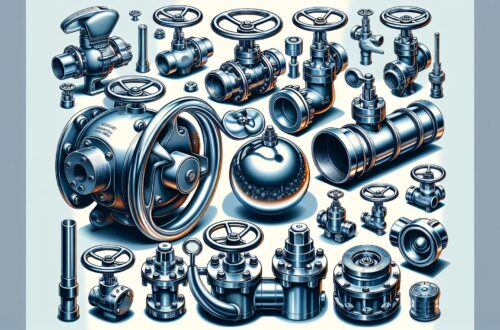
Gate valves, also known as sluice valves, are unique types of valves often used when a straight-line flow with minimum restriction is needed¹. These valves work much like a gate or a barrier – the gate is lifted from the path of the fluid or gas to open the valve, allowing unhindered flow. When the gate is lowered, it blocks the passage, effectively shutting the valve.
Wide Range of Applications
With their unique structure and operation mechanism, gate valves find applications in an assortment of industries. These include:
- Oil and Gas Industry: Used for regulating the flow of oil and gas in pipelines.
- Water and Sewage Industry: Found in water flow control for residential, commercial, and municipal use.
- Pharmaceutical and Food Industry: Used in pipelines for sanitization and product flow control.
- Power Plants: These valves control the flow of steam in power generating plants.
The Integral Aspects: Installation & Maintenance
The proper installation of a gate valve determines how effectively it will function. While the installation somewhat varies depending on the type and make of the gate valve, some universal steps are²:
- Ensure the Valve is Suitable: Measure and confirm that the valve is the right size for the pipeline and meets the system’s pressure and temperature requirements.
- Prepare the Pipeline: The pipeline in which the valve will be installed should be clean, without any debris or foreign objects.
- Position the Valve: Gate valves can generally be installed in any orientation. However, best practice is to install them in an upright position whenever possible.
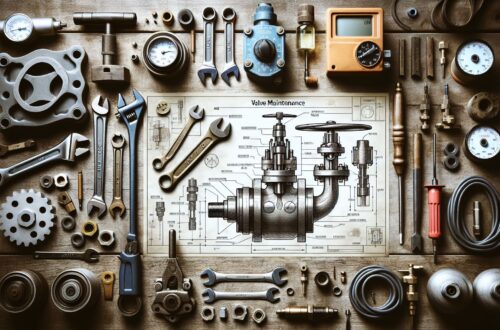
As with every industrial device, gate valves require routine maintenance to operate optimally. Some tips include:
- Conduct Regular Inspection: A detailed inspection of the valve should be routinely done to check for any signs of wear or damage.
- Lubricate the Valve: The moving parts of the valve, like the stem, should be properly lubricated to minimize friction.
- Monitor the Valve’s Performance: Regular checks of the valve’s performance metrics such as flow rates, pressure, and temperature will help you spot any problems on time.
Repair of Gate Valves
In situations where a gate valve is malfunctioning, repair might be necessary. The procedure might involve replacing worn out parts or sealing surfaces³. It’s crucial to take note of the exact cause of the valve’s failure to target repairs efficiently. Always refer to the manufacturer’s manual for specific guidance.
Material Selection and End Connection Options
The material of the gate valve plays an essential role in functionality and longevity. Common materials used include brass, bronze, stainless steel, and cast iron, all chosen based on their durability, strength, and corrosion resistance.
The end connection option for a gate valve is another significant aspect. The most common options are:
- Threaded Ends: These are commonly used in smaller gate valves and are easy to install and remove.
- Flanged Ends: These are suited for larger valves and are bolted onto the pipeline.
- Welded Ends: These create a permanent, strong connection, suitable for high-pressure applications.
Conclusion
In conclusion, gate valves play an indispensable role in controlling and regulating the flow of fluids and gases across many industries. Proper installation, choice of material, and suitable end connection options go a long way in ensuring they function effectively and last long. Regular maintenance and timely repair are also necessary for optimal operation. As the unsung heroes of flow control, understanding the multiple aspects of gate valves will hopefully enable a more efficient and effective utilization.
References
- Sciencedirect.com. (n.d.). Gate Valve – an overview | ScienceDirect Topics. [online] Available at: https://www.sciencedirect.com/topics/engineering/gate-valve.
- Bifold-uk.com. (n.d.). Installation, operation, and maintenance manual gate valve. [online] Available at: https://www.bifold-uk.com/technical-library/installation-operation-and-maintenance-manual-gate-valve/.
- Valvemagazine.com. (n.d.). Repairing Valves with Bonding and Welding. [online] Available at: https://www.valvemagazine.com/home/article/9979-repairing-valves-with-bonding-and-welding.html.