Understanding Valve Materials: An Exploration of Valve Composition and Functionality
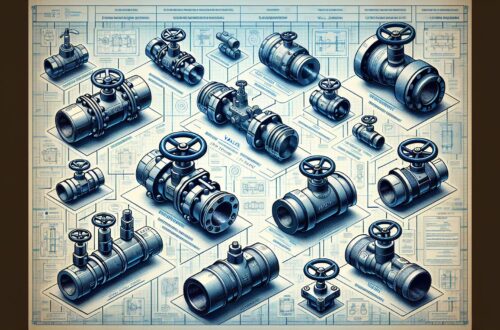
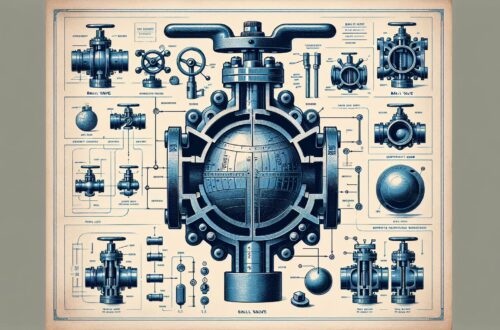
The valve is an integral component of industrial infrastructure, playing an essential role in controlling the movement of liquids, gases, and slurries within a wide range of systems and processes. As such, the material used in the construction of a valve significantly affects its performance and adaptability to different operational circumstances. This comprehensive article delves into the world of valve materials, exploring their inherent properties, uses, benefits, and drawbacks.
For reference, kindly find the following sources:
A. Valves: An Introduction
Valves serve the purpose of controlling the flow and pressure of a medium (liquid, gas, or slurry) within a system. The nature of the medium, along with operating temperature and pressure, and process specifications, usually dictates valve design and, more importantly, material selection.
B. Valve Components and Their Material Considerations
A valve comprises several critical parts, including the Body, Trim (Stem, Plug, and Seat), Bonnet, Packing, and an Actuating device. The choice of material for these parts heavily depends on the medium they’ll control and the demands of the specific application.
1. Valve Body
The valve body, also known as a casing, is the main part of a valve. It is generally the first line of contact with the medium, hence its material selection primarily based on its corrosion resistance and chemical compatibility with the medium. Common materials are Cast Iron, Carbon Steel, Stainless Steel, Brass, and PVC.
2. Valve Trim
The trim constitutes the valve’s internal elements instrumental in its operation, including the stem, seat, and disc or plug. Given the consistent friction during valve operation, trim materials need to be robust, corrosive-resistant, and wear-resistant. Depending on application demands, a variety of hardened metals like Stainless steel, Nickel Alloy, Tungsten Carbide, or even Ceramic may be used.
3. Valve Bonnet
The bonnet acts as a cover for the valve body. It requires the same corrosion resistance and strength as the body, leading to similar materials in use. However, in the case of pressure-seal bonnets, stainless steel is the preferred choice due to its ability to withstand high-pressure applications.
4. Valve Stem and Seat
The stem transmits motion from the actuator to the valve’s internal elements. The seat, on the other hand, provides a sealing surface. Both these components are vital to ensuring proper sealing and thus, typically made from hardened steel, alloys, or ceramics.
5. Packing
A packing creates a seal around the stem to prevent possible leakages. Materials such as PTFE, Graphite, or Aramids are common for valve packing due to their excellent heat resistance and low friction.
6. Actuators
Actuators generate the needed force to open/close the valve. Thus, the actuator’s material should have properties like high strength, abrasion resistance, and rust resistance. Hence, most actuators are made of stainless steel or alloy steels.
C. Factors influencing the choice of Valve Material
Several factors influence the choice of material for a valve, including:
- Nature of the medium: Depending on whether the valve will control gas, fluid, or slurry, different materials are recommended.
- Corrosion resistance and Chemical compatibility: The valve material should withstand the corrosiveness of the medium it controls. For instance, brass or bronze works well with water but may corrode in the presence of certain chemicals.
- Pressure and Temperature rating: The valve material should be capable of withstanding the temperature and pressure within the system. Metal valves are capable of handling high pressures and temperatures, while plastic valves (plastic or PTFE) are best suited for low pressure and temperature.
In conclusion, the choice of valve materials is critical in ensuring the efficient and reliable operation of a valve. By understanding the properties and uses of various materials and factoring in the operating conditions and specific application requirements, one can make well-informed decisions in choosing the appropriate valve material.
Ensuring the durability and efficiency of the valve system, thus extending the life of both the valve and the system it controls, these material considerations play a vital role in the broader picture of industrial operations. Operate wisely, choose your valve material wisely.