An In-depth Look at Valve Materials: Selection, Compatibility, and Corrosion Resistance
When it comes to industrial applications, the selection of proper valve materials is a vital part of the process. This comprehensive guide will explore the concept of valve materials, delving into the factors that influence their choice, the importance of chemical compatibility, and how they fare against corrosion. Understanding these factors is the first step to ensuring the longevity of your valves, the safety of the operations, and the seamless functioning of your systems.
Understanding Valve Materials
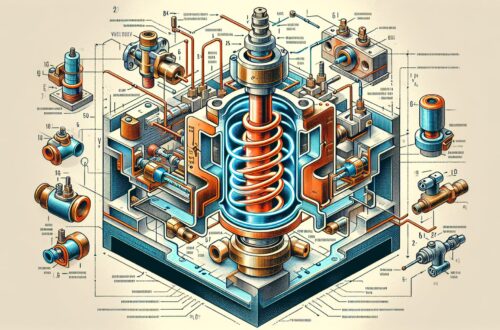
Valves consist of various components, with several key parts making up the bulk of their design. These include the body, the trim, the bonnet, the seat, the stem, and the packing. To ensure the proper functioning of a valve, it’s crucial to select appropriate materials for these components considering various factors like temperature, pressure, corrosion resistance, and chemical compatibility.
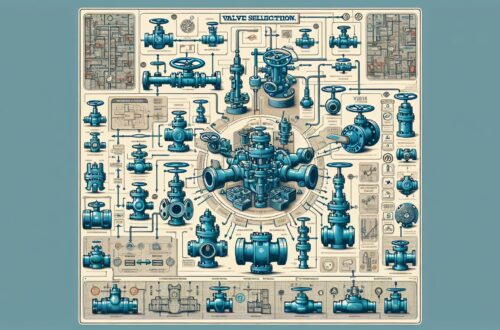
The choice of materials usually depends on the extent of the severity of service, temperature, pressure, and the exact medium being handled by the valve. These materials can range from bronze, brass, cast iron, ductile iron, stainless steel, carbon steel, to other exotic alloys and polymers[^1^].
Factors Affecting the Selection of Valve Materials
Temperature and Pressure Rating
The material chosen for a valve should be able to withstand the temperature and pressure of the process fluid. For higher temperatures, more durable materials like forged carbon or stainless steel usually work best. At the same time, for higher pressure ratings, one may need to consider materials such as cast or ductile iron.
Chemical Compatibility
Chemical compatibility is another significant factor. The valve material should be compatible with the process fluid to avoid rapid wear or eventual failure. In cases where the fluid is corrosive, materials like stainless steel, duplex stainless steel, or corrosion-resistant alloys such as Hastelloy or Alloy 20 are often used[^2^].
Economic Factor
Economic factors also play a role in the choice of materials. Balance must be struck between choosing the best material for the application and staying within budget constraints. Some of the exotic alloys, although they offer high resistance to high temperature and corrosion, can be costly.
Environmental Considerations
Certain materials are more eco-friendly than others, so those who prioritize green manufacturing practices should factor this into their valve material selection process.
Chemical Compatibility
The vital criterion of valve material selection is chemical compatibility, which involves determining if the valve material is resistant to the process fluid. A slight mismatch here may cause unexpected chemical reactions that could potentially degrade the valve material or contaminate the process fluid. To avoid this, it’s important to employ a comprehensive method for selecting materials that considers both the chemical nature of the process fluid and service conditions such as temperature and pressure[^3^].
Corrosion Resistance
Many industries deal with corrosive elements, and valve materials are often directly exposed to these. Corrosion-resistant materials come into play under these circumstances to boost efficiency and ensure durability. Corrosion-resistant materials, such as stainless steel, Monel, and specialty alloys like Hastelloy-C, Inconel, and Alloy 20, not only provide excellent resistance to most forms of corrosion, but they also offer great mechanical properties.
Final Thoughts
The choice of valve material is crucial for maintaining operational efficiency, enhancing lifespan, and ensuring safety at your facility. Whether it’s the temperature rating, pressure rating, chemical compatibility or material cost, every factor needs to be put under consideration to make an effective decision. Ultimately, the material selection must be made strategically, taking all the necessary factors into account to ensure the longevity and efficacy of the valve installed.
[^1^]: Materials for Valves – International site for Spirax Sarco
[^2^]: Choosing the correct valve material for a corrosive environment