-
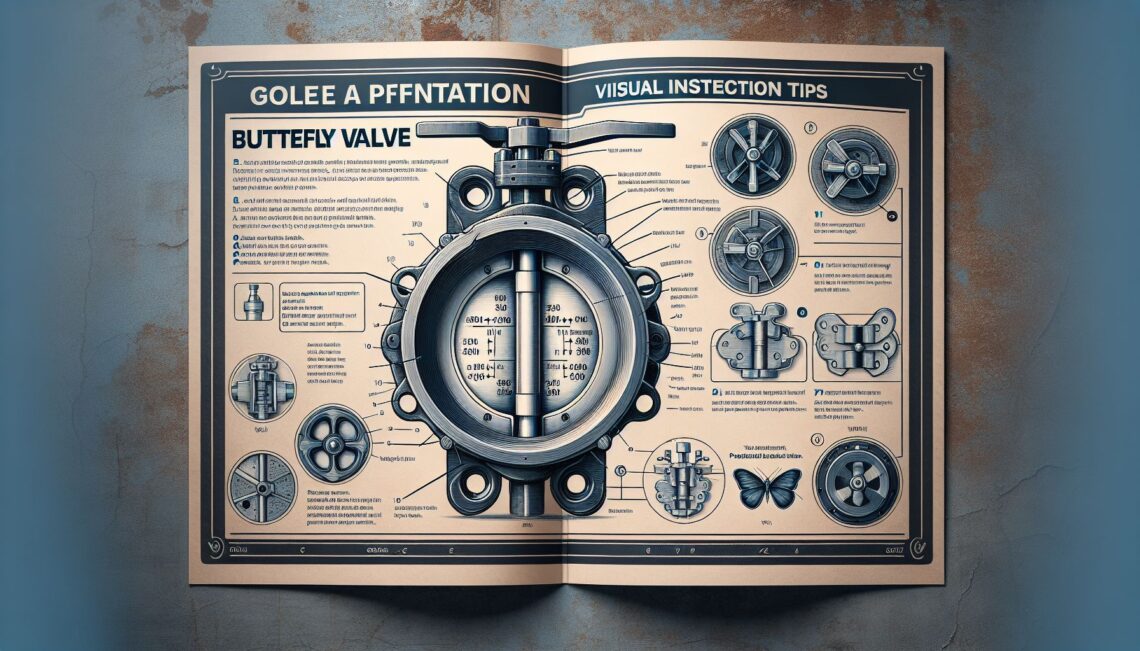
The Untold Guide to Butterfly Valves: Their Function, Selection, and Maintenance
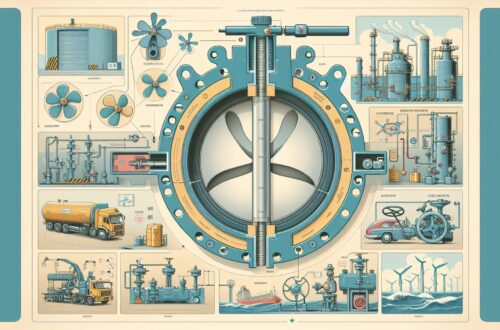
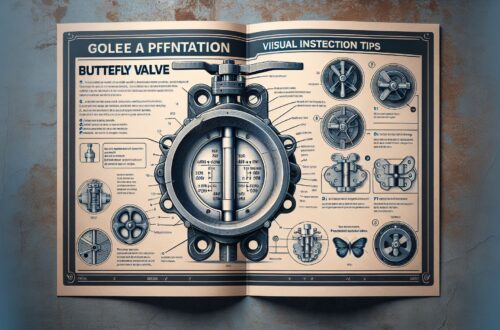
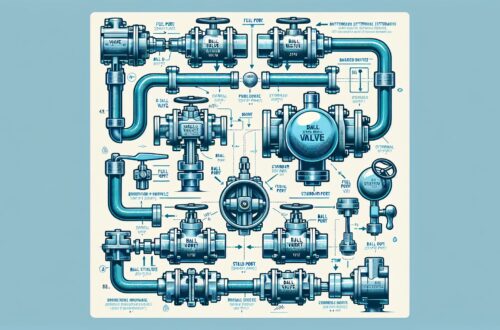
Introduction Butterfly valves, one of the distinct types of valves used in various industries, are renowned for their simple structure, cost-effectiveness, and efficient performance across different applications. If you’ve ever wondered about the properties, selection criteria or even the maintenance protocols of these valves, you’re in the right place. This comprehensive guide will demystify butterfly valves for you in a thorough, reader-friendly manner. What are Butterfly Valves? Butterfly valves derive their name from the butterfly-like disc that rotates to open or close the valve. They serve two primary purposes: stopping the flow of fluid (like a gate valve), and regulating flow (like a globe valve). These functions make them versatile,…
-
Understanding Ball Valves and Their Applications
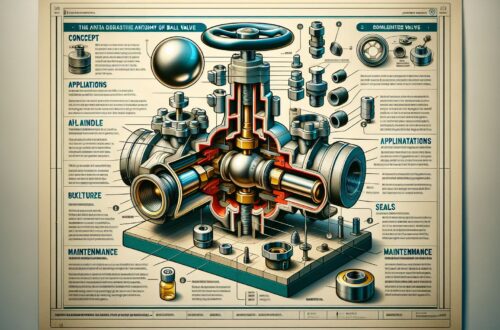
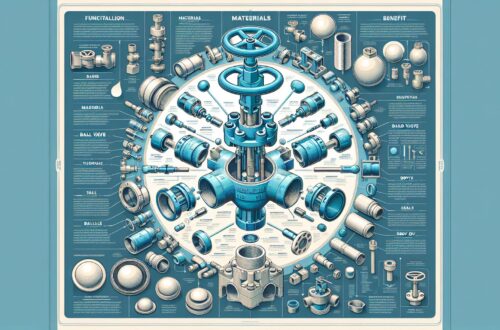
Ball valves are used in a variety of industries due to their simple design and versatility. They can be used in high temperature and high pressure applications, corrosion resistance setting, and even in water, oil, and gas flow control. Despite the simplicity of the ball valve, the crucial role it plays in the industry often goes unnoticed. What is a Ball Valve? A ball valve consists of a spherical ball with a hole drilled through its center, creating a path for a fluid, such as water or gas to pass through. The ball sits inside a passageway that can be sealed off by positions the ball so that it is…
-
A Comprehensive Guide to Valve Maintenance: Ensuring Efficiency and Longevity
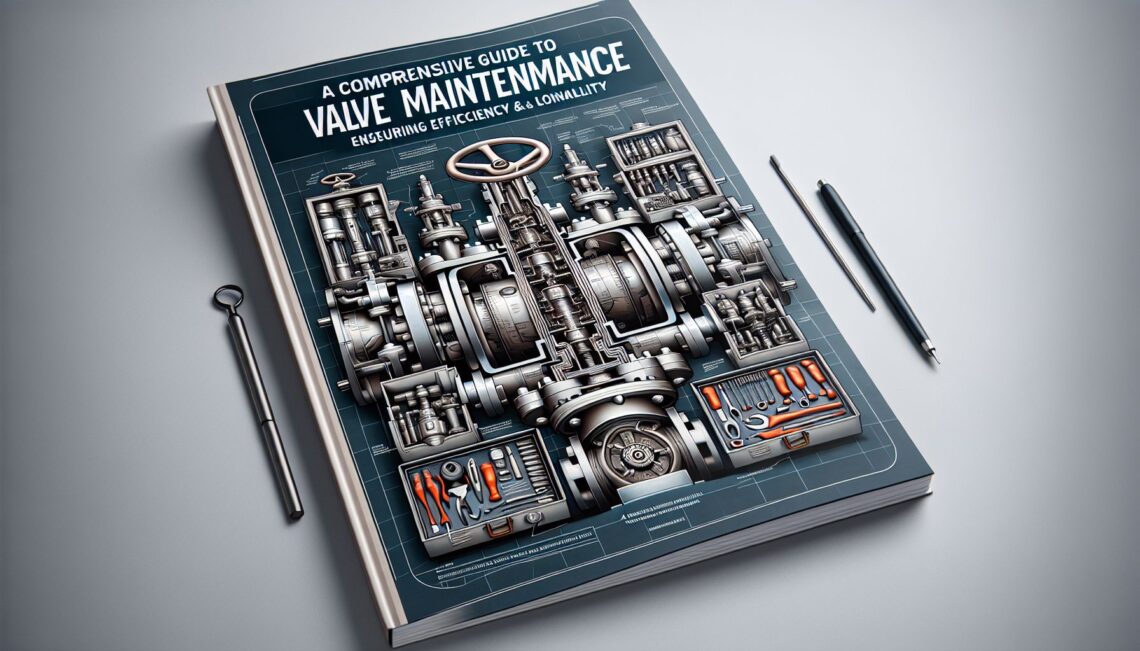
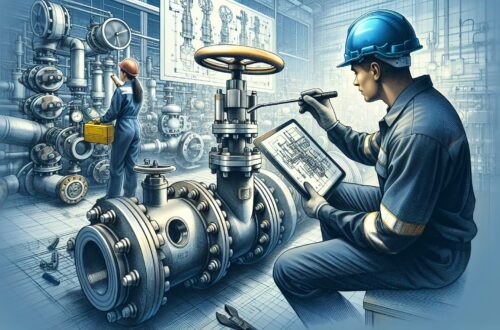
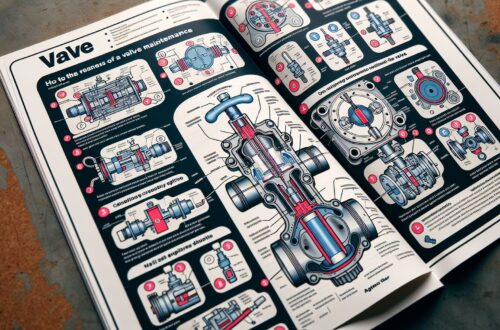
Valve maintenance is an important part of industrial production. It’s crucial in many industries as efficiency, productivity, and safety are directly related to the maintenance and management of valves. However, the maintenance process can often be complicated, mainly due to the wide variety of valves and the specific conditions they operate under. This article will take you through the ins and outs of valve maintenance, providing you with the knowledge to ensure the long-lasting performance and efficiency of your valve systems. Understanding Valve Maintenance Valve maintenance refers to the process of examining and restoring valves, their components, and functions to ensure optimal performance and prevent premature failure or breakdown. Efficient…
-
Valve Maintenance: An Essential Guide
In our day-to-day life, we encounter innumerable mechanisms that simplify our routines. Among these technologies, valves are a significant part. They regulate the flow and pressure of liquids and gases within systems, maintaining optimal operation and ensuring safe and efficient functionality. Though their task may seem straightforward, the process of valve maintenance is an intricate and crucial aspect that demands professional’s attention. This piece will delve deeper into a comprehensive understanding of valve maintenance. I. What is Valve Maintenance? Valve maintenance pertains to the different procedures undertaken to ensure the continued efficiency of a valve. It comprises various activities such as routine checks, troubleshooting, repairs, lubrication, and valve replacement if…
-
An In-depth Look Into Valve Maintenance: Ensuring Efficiency and Longevity
Valves are indispensable component of industrial processes, water supply systems, and large plumping systems. Despite their vital roles, these devices are prone to various issues, such as leaks, wear and tear, and rust. These issues can cause significant system problems if not addressed promptly and properly. Thus, proper valve maintenance is a critical factor in ensuring the efficiency and longevity of any system employing these controls^[1^]. This article delves into the aspects, techniques, and practices involved in preserving different valve types’ functioning and performance. Importance of Regular Valve Maintenance Regular valve maintenance is crucial for various reasons. First, it helps identify problems early, reducing the chances of operational disruptions, consequently…
-
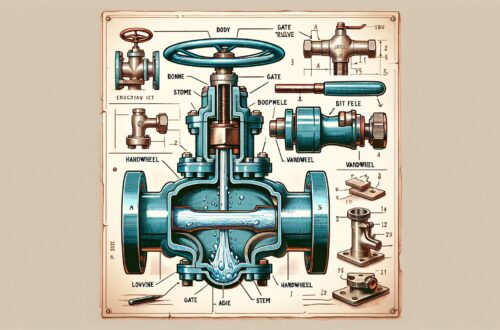
Title: Understanding Gate Valves: Their Importance, Selection, and Maintenance
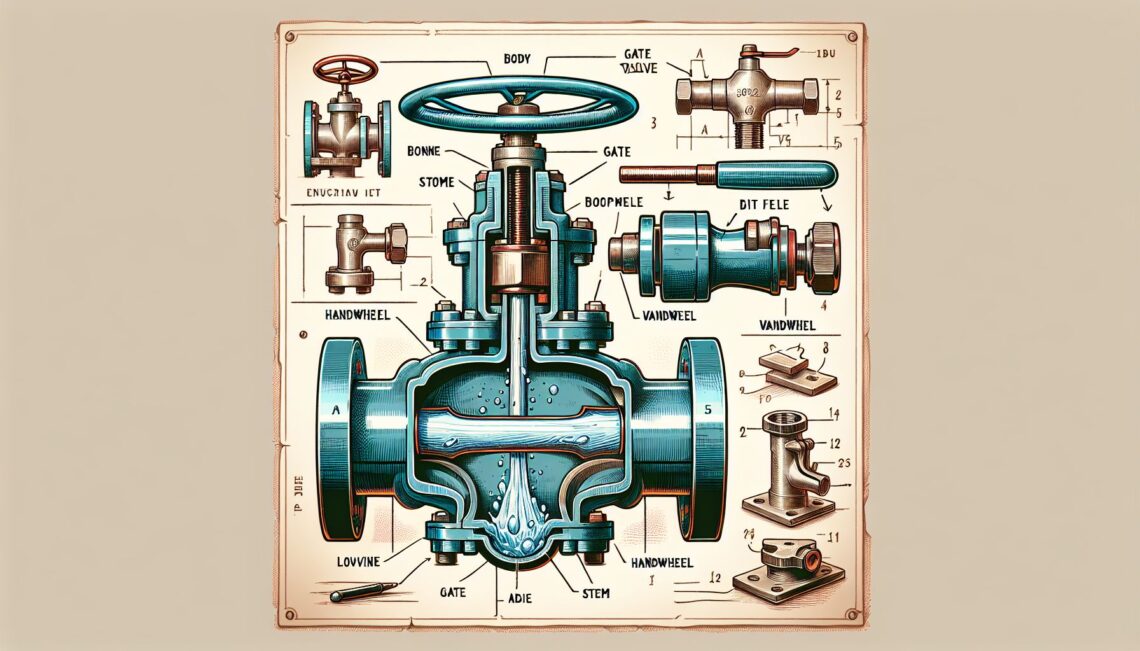
Controlling the flow of fluid in an industrial setup is a critical process. For this, numerous kinds of valves are used, each with specific applications. One such type is the gate valve, designed for a plethora of industrial applications. This article aims to explain what gate valves are, their significance, why and where they are used, how to select them, and how to maintain them. What are Gate Valves? Gate valves, according to the Valve Manufacturers Association of America, can be defined as “the valves that open by lifting a gate out of the path of the flow” [1]. They are essentially on/off valves typically used in systems where low…
-
Everything You Need to Know About Gate Valves
Gate valves are a variety of control valves primarily used in the industrial and commercial sectors today. They are easily recognized by their gate-like appearance—their most distinctive feature—and they fulfill a variety of functions, making them an indispensable part of several industries. In this article, we delve deep into the world of gate valves, covering everything from their basic structure and operation to their specialized uses and maintenance tips. Let’s get started. What are Gate Valves? Simply put, gate valves control the flow of liquid by either ‘opening’ or ‘closing’ the way. In a wider context, they play an instrumental role in controlling the process throughout many of the vast…
-
Choosing the keyword “Valve selection” for this task.
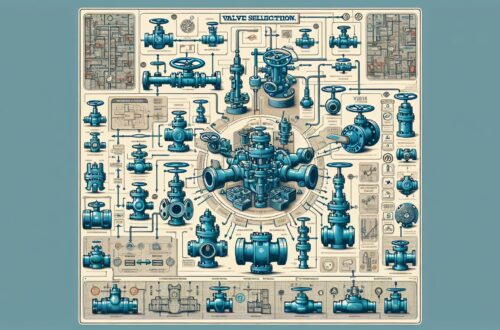
An In-depth Guide to Valve Selection When it comes to fluid handling systems, valves are crucial. They control the flow and pressure of fluids, thereby contributing to the safe and efficient operation of systems in industries such as oil and gas, petrochemicals, power generation, pharmaceuticals, food and beverages, and water treatment among others. The selection of valves, essentially, can make or break your system’s operation. Therefore, understanding the importance and methodologies involved in valve selection is of utmost importance. In this in-depth guide, we will delve into the various aspects of valve selection, providing clarity on this vital process and helping you make the best decisions for your operation. Understanding…
-
An In-depth Guide to Valve Automation
Valve automation is a cornerstone of modern industrialization, where processes are automated to ensure smooth operations, improve efficiency, and maximize safety. This guide seeks to dissect the ins and outs of valve automation. Understanding the concept begins by appreciating the critical role that valves play in controlling the flow of liquids and gases in pipeline systems. Their ability to govern this flow optimally depends on appropriate automation mechanisms.( source: valve magazine.com) What is Valve Automation? Valve automation refers to the use of technology to control valves remotely or automatically without human intervention. This technique minimizes error margins related to manual manipulation and increases efficiency in systems that rely on valves…
-
Understanding the Complexities of Valve Selection
Valve selection is a critical step in the design of any fluid processing system. Valves form an integral part of pipes and equipment used in industrial settings, taking on responsibility for distrubuting fluid from one section to another. There exists numerous valve types, each designed based on operation methodology and intended application. In this discourse, we’ll delve into the complexities surrounding valve selection, furnishing expert insight to guide the selection process. Defining An Objective Before focusing on valve selection, it becomes essential to clarify the purpose for which the valve is intended. Questions regarding whether the valve will support isolation, throttling, or non-return applications should be addressed in this initial…